

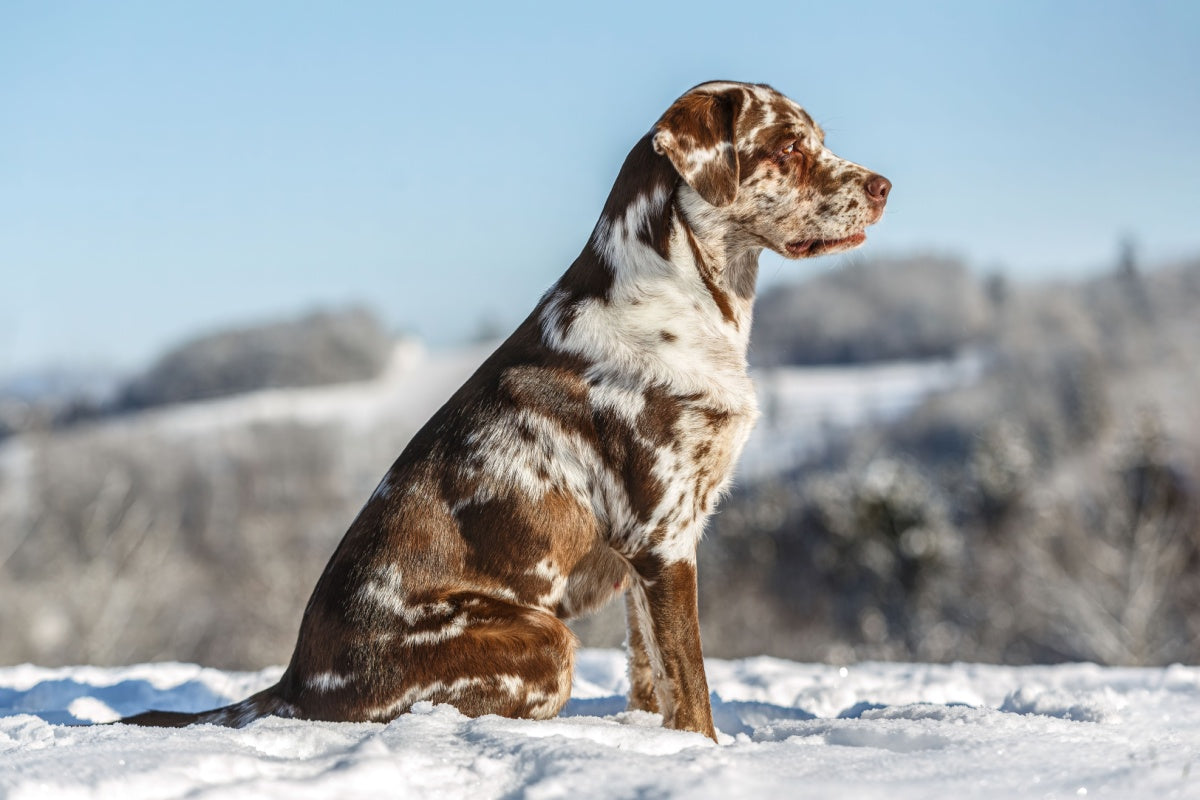
How to Keep Your Pet’s Skin and Coat Healthy this Winter
Expert tips on managing dry skin, cracked paws, and protecting your dog or cat’s coat from cold-weather damage
Do you notice your pets dealing with dry, itchy skin, dull coats, and cracked paw pads? Between the chilly air outside and the dry heat indoors, winter can take a toll on their skin and coat. A few simple changes to your routine can help prevent these issues and keep your dog or cat comfortable, healthy, and happy through the season.
Why Does My Pet’s Skin & Coat Get So Dry in Winter?
You may be asking yourself, friends, family, or your go-to pet care expert about these common signs:
- Dry and itchy skin
- Pet scratching more than usual
- Dull, dry coat
- Matted fur in certain areas
- More dandruff or flakes
- Cracked or sore paw pads
These symptoms can lead to reduced activity, irritability, and pain. In some cases, skin infections may develop if left unaddressed. The good news is that proper nutrition, grooming, paw protection, and indoor adjustments can all help.
How to Restore and Protect Your Pet’s Skin & Coat This Winter
Supporting your pet’s skin from the inside while protecting it on the outside is key. A balanced diet rich in skin-nourishing nutrients, gentle grooming, paw protection, and a comfortable home environment all work together to maintain healthy skin and coat throughout winter.
What Nutrients Help Keep My Dog or Cat’s Skin & Coat Healthy?
We’ve all heard the sayings “you are what you eat” and “healing from the inside out,” and they’re true for pets too. Proper nutrition strengthens the skin barrier, supports flexibility, promotes repair, limits dryness and hair loss, boosts shine, and reduces inflammation.
| Nutrient / Supplement | Benefits for Skin & Coat | Natural Food Sources |
|---|---|---|
| Protein & Amino Acids | Build strong, shiny coats; repair skin cells | Chicken, turkey, salmon, eggs, beef |
| Omega Fatty Acids (3, 6 & 9) | Reduce inflammation, maintain skin moisture, support suppleness, enhance coat shine | Salmon, sardines, anchovies, flaxseed, chia seeds, poultry, beef, olive oil, canola oil |
| B Vitamins (B2/Riboflavin, B3/Niacin, B7/Biotin, B12/Cobalamin) | Support cell function, skin repair, coat texture, and prevent dryness or dullness | Meat, fish, eggs, leafy greens, liver, sweet potatoes, whole grains, dairy |
| Zinc | Support healing, reduce dandruff, maintain coat thickness and pigmentation | Meats, pumpkin seeds, whole grains |
| Vitamin A | Regenerate skin cells; maintain natural oils | Liver, eggs, carrots, sweet potatoes |
| Vitamin E | Protect skin cells as antioxidant; support moisture retention | Plant oils, nuts, seeds, spinach |
| Collagen & Hyaluronic Acid | Improve elasticity and hydration; support joints | Bone broth, animal connective tissues |
Proper nutrition gives your pet’s skin & coat the support they need to stay strong, hydrated, and resilient through the harsh winter months. The inclusion of high-quality protein, fatty acids, and vitamins helps reduce dryness, improve shine, and support healing from the inside out. Of course, diet is just one piece of the puzzle! Grooming, paw protection, and a comfortable home environment also play important roles.
How Should I Groom My Dog or Cat in Winter?
 Grooming is an essential part of winter pet care, helping maintain a healthy, shiny coat and preventing dry, itchy skin. Many pet parents wonder how often they should bathe or brush their pets in the colder months. Here’s what you need to know:
Bathing Tips for Winter
Over-bathing can strip your pet’s natural oils and worsen dryness. Follow these tips to keep their skin and coat healthy:
- Avoid over-bathing. Too much bathing can strip your pet’s skin and coat of natural oils, leaving them drier and more brittle.
- Choose moisturizing shampoos and conditioners formulated for pets; some shampoos or soaps can worsen dryness.
- Use lukewarm water, never hot, to prevent further drying or irritation.
- Dry thoroughly. Leaving skin and coat wet can encourage bacterial growth and disrupt the skin’s microbial balance, causing irritation or hot spots.
- Use a clean, highly absorbent towel.
- If using a dryer, keep it on the lowest heat setting.
Brushing for Skin & Coat Health
Brushing helps distribute natural oils, remove debris, and improve circulation:
- Brush every few days to stimulate hair follicles and distribute natural oils.
- Remove loose hair, matting, debris, and dead skin while promoting overall coat health.
- Properly trimmed nails help your pet walk comfortably and maintain traction, especially on slippery winter surfaces.
By combining careful bathing with regular brushing, you can help your dog or cat maintain a soft, hydrated, and healthy coat throughout the winter.
How Can I Protect My Dog or Cat’s Paws in Winter?
Winter walks can be tough on your pet’s paws. Many pet parents ask, “Why are my dog’s paws cracking?” or “How can I keep my pet’s paws safe from ice and salt?” With a few proactive steps, you can protect their pads and keep them comfortable all season long.
Trimming and Maintenance
- Trim hair between paw pads and around the paw to prevent ice/snow clumps and reduce road salt or chemical buildup.
- Check paws regularly for cracks, redness, or irritation to address small issues before they become painful.
Protective Measures

- Paw boots minimize contact with harsh surfaces and chemicals while improving traction on slippery sidewalks.
- Paw balms or waxes create a protective layer on pads. Apply before walks, wash off afterward, and reapply as needed.
Cleaning and Care
- After outdoor time, wipe or rinse paws to remove snow, ice, and chemical residues. Dry thoroughly to prevent irritation or infection.
- Keeping paws clean makes it easier to apply balms and monitor for signs of discomfort.
By combining trimming, regular checks, protective products, and careful cleaning, you can help your dog or cat enjoy winter walks safely while keeping their paws soft, healthy, and pain-free.
How Indoor Changes Can Keep Your Pet’s Skin & Coat Healthy
The chilly outdoors, gusty winds, and low winter humidity combine with artificially warm indoor air from furnaces, fireplaces, or space heaters to create the perfect storm for dry, irritated skin and dull coats. Even pets not especially sensitive to cooler temperatures can still be affected.
Simple Indoor Changes
- Use a humidifier in rooms where your pet spends the most time to keep skin hydrated and coat healthy.
- Use fans to help circulate the moisture evenly throughout the home.
- Regularly vacuum carpets, upholstery, and pet beds to reduce dust and allergens that can irritate the skin.
By making these simple adjustments, you can help your pet stay comfortable and reduce dryness and irritation during the cooler months.
Winter can be tough on pets, but with the right care, you can help them stay comfortable, healthy, and happy. A balanced diet supports skin and coat from the inside out, while regular grooming, paw protection, and a comfortable home environment provide the external support they need. Your local Global Pet Foods store is ready to help your dog or cat thrive this winter with the products and expert advice you need.
