

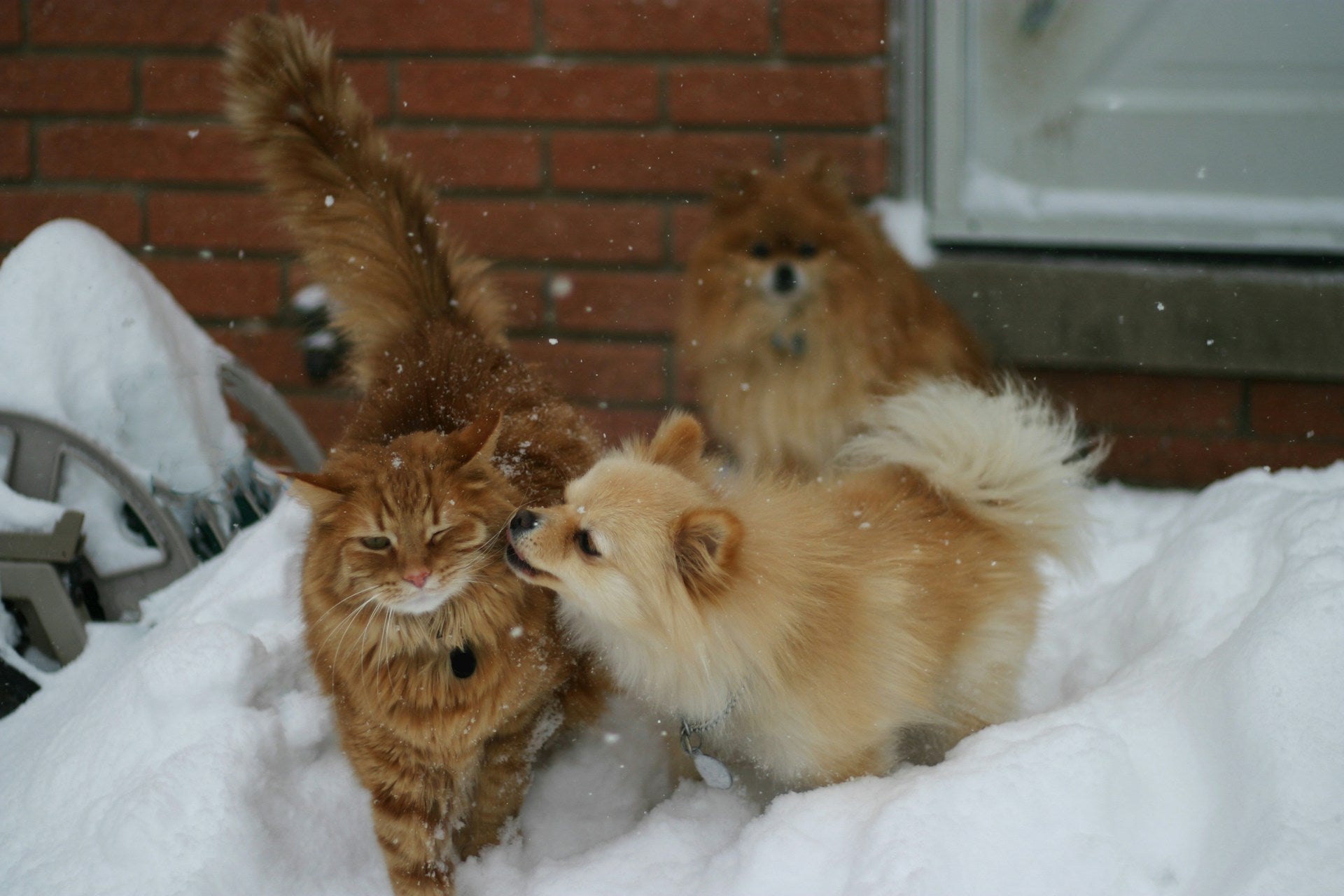
How to Prepare Your Pet for Winter: Cold Weather Essentials, Gear, and Safety Tips
A complete checklist for pet parents — including jackets, boots, and home care tips to keep dogs and cats cozy all season
Winter's on its way, and while some pets live for snow days, others need a little extra help staying comfortable when temperatures drop. Whether you've got a snow-loving husky or a shivering chihuahua, this checklist covers everything you need to keep your furry friend safe, warm, and happy all winter long.
1. Know Your Pet's Cold Tolerance
Not all pets handle cold the same way. Small breeds, short-haired dogs, senior pets, and cats are usually more sensitive to the cold. Breeds with thick double coats (like huskies or malamutes) are naturally better equipped to tolerate the cold. Pay attention to your pet's behavior, if they're shivering, lifting their paws, or reluctant to go outside, that's they're way of telling you they're cold.
2. Invest in a Quality Winter Coat
A good winter jacket isn't just a cute accessory, t's functional. Look for coats that cover your pet's chest and belly, with adjustable straps for a snug fit. Water-resistant materials are a bonus on slushy days. Check out your local Global Pet Foods, we carry a range of sizes and styles, so you can find something that actually fits and keeps them warm.
3. Protect Those Paws with Boots
Ice, salt, and chemical de-icers can irritate or even burn your pet's paws. Boots are the best protection, though it might take a few tries to find a pair that your pet likes. Get them used to wearing boots by putting them on indoors for short periods. If boots are a hard no, paw balm can provide a protective barrier before walks.
4. Adjust Walk Times and Durations
Shorter, more frequent walks are better than long outings when it's freezing. Try to walk during the warmest part of the day, and always keep an eye on your pet's comfort level. If they start slowing down, shivering, or seem anxious, it's time to head home.
5. Wipe Down After Every Walk
Snow, salt, and de-icers stick to fur and paws. Wipe your pet down with a damp towel as soon as you get inside to remove any chemicals or ice buildup. Pay extra attention to their paws, belly, and legs. This simple habit prevents irritation and keeps your house cleaner as well.
6. Create a Cozy Indoor Space
Make sure your pet has a warm spot to snuggle to when they're cold. A soft bed away from drafts, or even a heated pet mat, can make a huge difference. Cats especially love warm, enclosed spaces, think cozy caves or beds near (but not too near) heat sources.
7. Adjust Their Diet if Needed
Some pets burn more calories in winter to stay warm, especially if they spend time outdoors. Talk to your vet or a Global Pet Foods Pet Specialist about whether your pet might need a slight increase in food or a higher-calorie formula during the colder months. Indoor-only pets, on the other hand, might need less to avoid winter weight gain.
8. Keep Them Visible on Dark Winter Walks
It gets dark early in winter, making sure your pet can be seen is important. Reflective collars, leashes, and light-up accessories help drivers see you and your pet. LED clip-on lights are inexpensive and easy to attach to collars or harnesses. Your local Global Pet Foods has plenty of options to keep you both safe.
9. Don't Skip the Grooming
You might think longer fur = warmer pet, but matted or dirty coats actually insulate less effectively. Regular brushing removes dead hair and distributes natural oils that protect skin. If your pet gets a professional groom, just make sure they're not shaved too short in winter, they need that extra layer.
10. Check for Dry Skin
Indoor heating can dry out your pet's skin just like it does yours. Watch for flaking, excessive scratching, or dull coat. Adding a skin and coat supplement (like omega-3s) can help.
11. Never Leave Pets in Cold Cars
Just like hot cars in summer, cold cars in winter are dangerous. Vehicles lose heat quickly, and your pet can develop hypothermia in a surprisingly short time. If you're running errands, leave them home where it's warm.
12. Provide Fresh, Unfrozen Water
Outdoor water bowls freeze fast in winter. If your pet spends any time outside, check their water frequently or invest in a heated bowl. Staying hydrated is just as important in winter as it is in summer.
13. Keep an Emergency Kit Ready
Winter weather can be unpredictable. Keep a pet emergency kit with extra food, water, medications, blankets, and a first-aid supply. If you lose power or get snowed in, you'll be glad you planned ahead.
Stock Up at Global Pet Foods
From insulated jackets and durable boots to paw balm and cozy beds, your local Global Pet Foods has everything on this checklist. Not sure what your pet needs? Ask a Pet Specialist, they'll help you find the right gear for your pet's size, breed, and activity level.
Winter doesn't have to be rough on your pet. With a little preparation and the right supplies, you can both enjoy the season safely and comfortably. Stop by your local Global Pet Foods or shop online to get winter-ready today.
